By Grocery List Plus Editorial Staff | Published on June 14, 2026
Serves 6
389 cal · 180 min
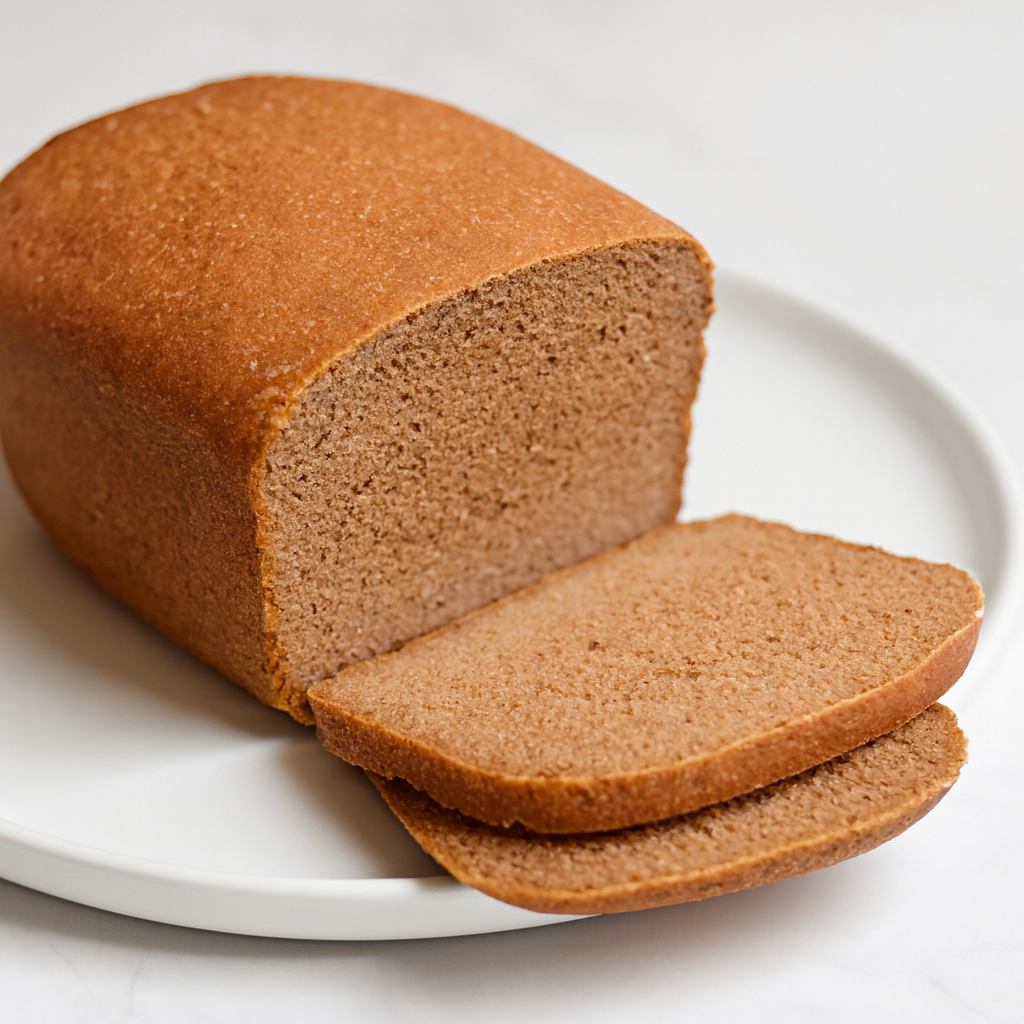
German Pumpernickel Bread for Bread Machine
Recipe GLPR38ea624104ad80
A rich and earthy German-style pumpernickel bread made in a bread machine. This dark, dense loaf combines dark rye flour, whole wheat flour, and bread flour with cocoa powder and molasses for deep, complex flavor. The result is a hearty, high-fiber bread with a tender crumb that's perfect for slicing and serving with cheese, cured meats, or simply enjoying on its own.
Save recipes you love
Create a free Grocery List Plus account to save recipes, rate them, and add every ingredient to your grocery list in one tap.
Ingredients
1¼ cup warm water
1½ tablespoon coconut or avocado oil
⅓ cup maple syrup or molasses
3 tablespoon unsweetened cocoa powder
1½ teaspoon salt
1½ cup all-purpose bread flour
1 cup dark rye flour
1 cup whole wheat flour
2½ teaspoon instant dry yeast
Directions
Add the warm water to the bread machine pan first. Follow with the oil, then pour in the molasses or maple syrup.
Sprinkle the cocoa powder and salt evenly over the liquid.
Layer the all-purpose bread flour, dark rye flour, and whole wheat flour on top.
Create a small well in the center of the dry ingredients and add the instant dry yeast.
Place the pan in the bread machine and select the 2-pound loaf size setting with the basic or white bread cycle.
Allow the machine to run through the complete cycle until the bread is fully baked.
Once the cycle finishes and the machine beeps, remove the pan carefully and turn the bread out onto a wire rack.
Let the pumpernickel bread cool on the counter for 20 to 30 minutes before slicing, which allows the crumb to set and makes cutting easier.
Comments
All ingredients are standard pantry items or easy finds at any Charlotte chain—flour, yeast, molasses, and cocoa powder are universally stocked, and coconut oil is now common at Food Lion, Harris Teeter, and Walmart. The stated three hours is honest for bread machine operation including the rise; hands-on time is minimal. Cost per serving runs about $0.40–$0.50, making it economical, though buying three flour types at once (bread, rye, whole wheat) front-loads a small outlay. The big caveat is that pumpernickel is a dense, serious bread—it's not a crowd-pleaser for households used to soft sandwich loaves, and it's best sliced thin and pairs better with charcuterie than butter, so it may sit half-eaten if your family expects softer bread.
Sign in or create a free account to add your review.