By Grocery List Plus Editorial Staff | Published on June 3, 2026
Serves 4
500 min
Rendered Lard
Recipe GLPRfb4737d4085150
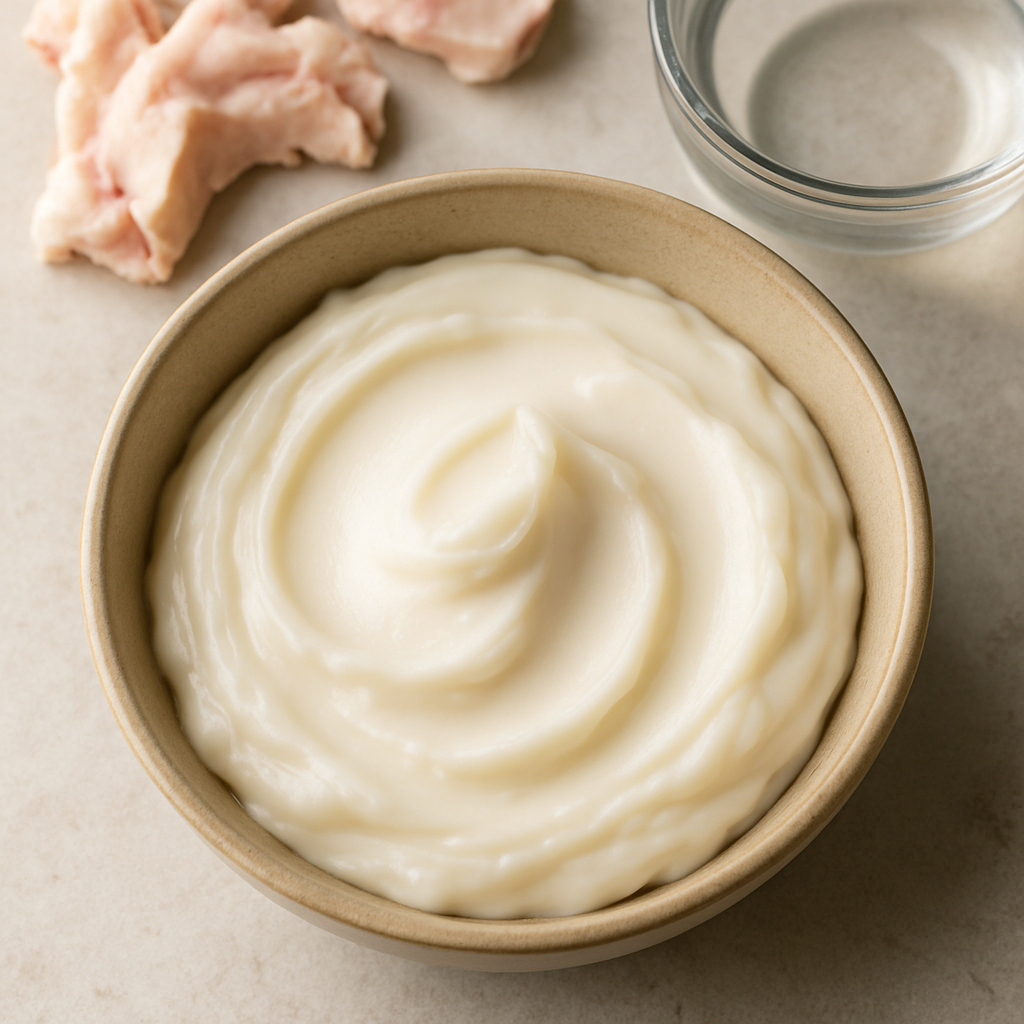
Homemade rendered lard made from fresh pork leaf lard, a traditional cooking fat that can be stored for months and used for cooking, baking, or frying. The slow-cooking method in a slow cooker extracts pure fat while creating crispy, flavorful pork cracklings as a bonus byproduct. This clean, unadulterated lard is shelf-stable when properly strained and stored, making it an excellent kitchen staple for those seeking traditional rendered fats.
Save recipes you love
Create a free Grocery List Plus account to save recipes, rate them, and add every ingredient to your grocery list in one tap.
Ingredients
3 lbs pork leaf lard, chilled
¼ cup water
Directions
About 2 hours before beginning, place the grinding blade or grater plate attachment in the freezer. This keeps the equipment cold so the lard does not soften or smear during grinding, which helps achieve clean texture.
Remove the chilled pork leaf lard from the refrigerator and cut it into 1-inch cubes using a sharp knife.
Transfer the cubed lard to the freezer and chill for 30 minutes to 1 hour. The lard should be very cold but still cuttable, not fully frozen solid.
Remove the lard and the cold grinding attachment from the freezer. Using a food grinder with the fine plate or a food processor, grind or pulse the lard until broken down into small pieces but not reduced to a single wet mass.
Add the water and ground lard to a slow cooker set to low heat. Cover and cook for 6 to 8 hours, until the lard is fully rendered and stops bubbling. The solid cracklings that remain will turn golden brown and crispy. Skim the cracklings from the liquid lard and set aside to drain on a paper towel lined plate. The cracklings can be seasoned and eaten as a savory snack.
Pour the hot rendered lard through a fine mesh strainer lined with cheesecloth or a nut milk bag to remove any remaining small solids, ensuring a clear, clean fat.
Pour the strained lard into clean glass jars or containers and allow to cool to room temperature, then cover and refrigerate. Properly rendered and stored lard will keep refrigerated for several months, and may develop a white or off-white color as it solidifies, which is normal.
Comments
This is a fundamental technique, not a weeknight dish, and the 500-minute time is honest—rendering lard slowly in a low oven cannot be rushed. Pork leaf lard is available at Harris Teeter, Food Lion, and Kroger butcher counters in Charlotte, but you'll need to ask; it's not always on display, and calling ahead saves a wasted trip. The cost per serving is negligible if you're using lard you'd otherwise discard, but buying it fresh for this project means budgeting $4–6 for a pound that yields perhaps a cup of rendered fat. This suits a weekend project when you're home anyway, and the rendered lard keeps in the fridge for months, making it worth doing in bulk. Not a meal itself, but a pantry staple that pays dividends in biscuits, pie crust, and fried potatoes for weeks after.
Sign in or create a free account to add your review.