By Grocery List Plus Editorial Staff | Published on June 14, 2026
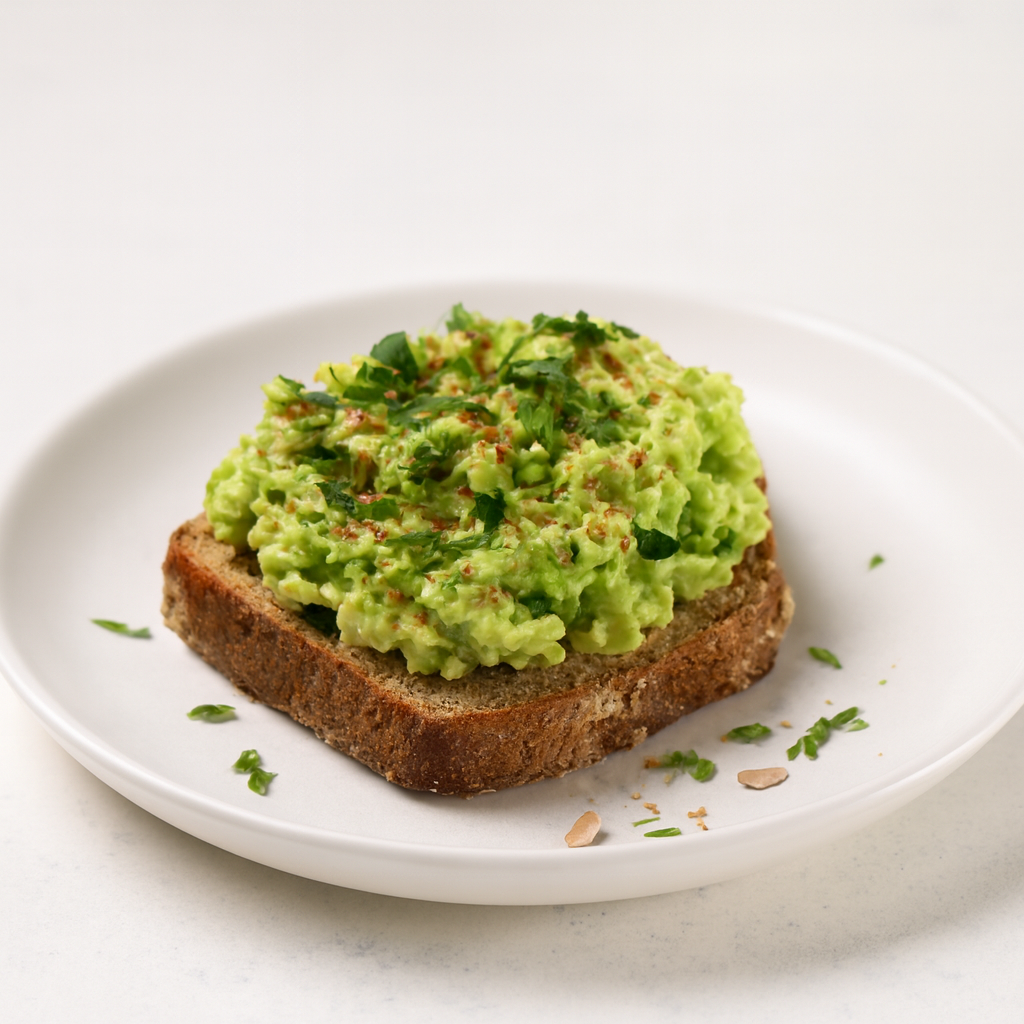
Serves 8
392 cal · 262 min
Whole-Wheat Sunflower Seed Rye Bread
Recipe GLPR5ed6ee86b3ebb8
A hearty, rustic loaf combining whole-wheat and rye flours with a generous amount of toasted sunflower seeds. The blend creates a nutty, earthy flavor and a dense, moist crumb. Perfect for sandwiches or simply sliced and served with butter. This bread is naturally vegetarian and dairy-free, with no added sugar beyond a touch of honey.
Save recipes you love
Create a free Grocery List Plus account to save recipes, rate them, and add every ingredient to your grocery list in one tap.
Ingredients
1½ cups lukewarm water
⅓ cups honey, divided (1 teaspoon plus 1/4 cup)
2¼ teaspoons active dry yeast (one package)
2¾ cups whole-wheat flour
1 cup rye flour (dark or light)
2½ teaspoons kosher or sea salt
1 cup lightly toasted sunflower seeds
as needed vegetable oil, for greasing
Directions
In a stand mixer bowl (or large mixing bowl if working by hand), combine the lukewarm water, 1 teaspoon honey, and active dry yeast. Stir to combine and let the mixture stand for 5 to 10 minutes. Small bubbles should begin to form on the surface—this indicates the yeast is active. If no bubbles appear, discard the mixture and replace the yeast with a fresh package.
In a separate bowl, whisk together the whole-wheat flour, rye flour, and salt. Attach the dough hook to your stand mixer (or use a wooden spoon for hand-mixing). Add the remaining 1/4 cup honey to the yeast mixture and stir well. Gradually add the flour mixture, mixing on low to medium speed. The dough should be soft and moist; if it feels too sticky, add a small amount of additional flour; if it feels too stiff, add water one tablespoon at a time. The dough is ready when a finger poked into it leaves a shallow impression that doesn't spring back.
Continue kneading the dough at low to medium speed for about 6 minutes until the mixture becomes smooth and cohesive.
Turn the dough out onto a lightly floured work surface and knead the sunflower seeds into the dough by hand, working them in until they are evenly distributed throughout. Transfer the dough back to the mixer bowl, cover with plastic wrap or a clean kitchen towel, and place in a warm spot (around 75°F is ideal). Allow the dough to rise until it has doubled in size, about 1 1/2 to 2 hours.
Punch down the risen dough with your fist to release excess gas. Cover the dough again and let it rise a second time until doubled, approximately 1 hour.
Lightly coat a 9-inch loaf pan with vegetable oil. Turn the dough out onto a lightly floured surface, gently shape it into an elongated rectangle that will fit the length and width of the pan, and place it inside. Cover the pan and let the dough rise for 1 hour. (Note: This loaf will not rise dramatically during this final proof.)
About 15 minutes before you plan to bake, preheat your oven to 350°F.
Once the dough has completed its final rise, place the loaf in the preheated oven and bake for 45 minutes to 1 hour. The bread is done when it sounds hollow when you tap the center with your knuckle, or when an instant-read thermometer inserted into the center of the loaf registers 190°F. Remove the loaf from the oven and allow it to cool in the pan for 20 minutes, then turn it out onto a cooling rack to cool completely before slicing.
Comments
All ingredients are basic pantry staples available at any Charlotte grocery chain, with no special trips needed. The 262 minutes stated time is honest for a yeast bread requiring rise periods, though active hands-on time is closer to 20 minutes. Cost per serving is very low—whole-wheat and rye flour, sunflower seeds, and honey are all affordable bulk items, likely under $1 per slice. This bread reheats well and makes excellent leftovers for toast, sandwiches, or freezing, fitting well into a busy household's rotation despite the long passive rise time.
Sign in or create a free account to add your review.