By Grocery List Plus Editorial Staff | Published on June 2, 2026
Serves 4
292 cal · 500 min
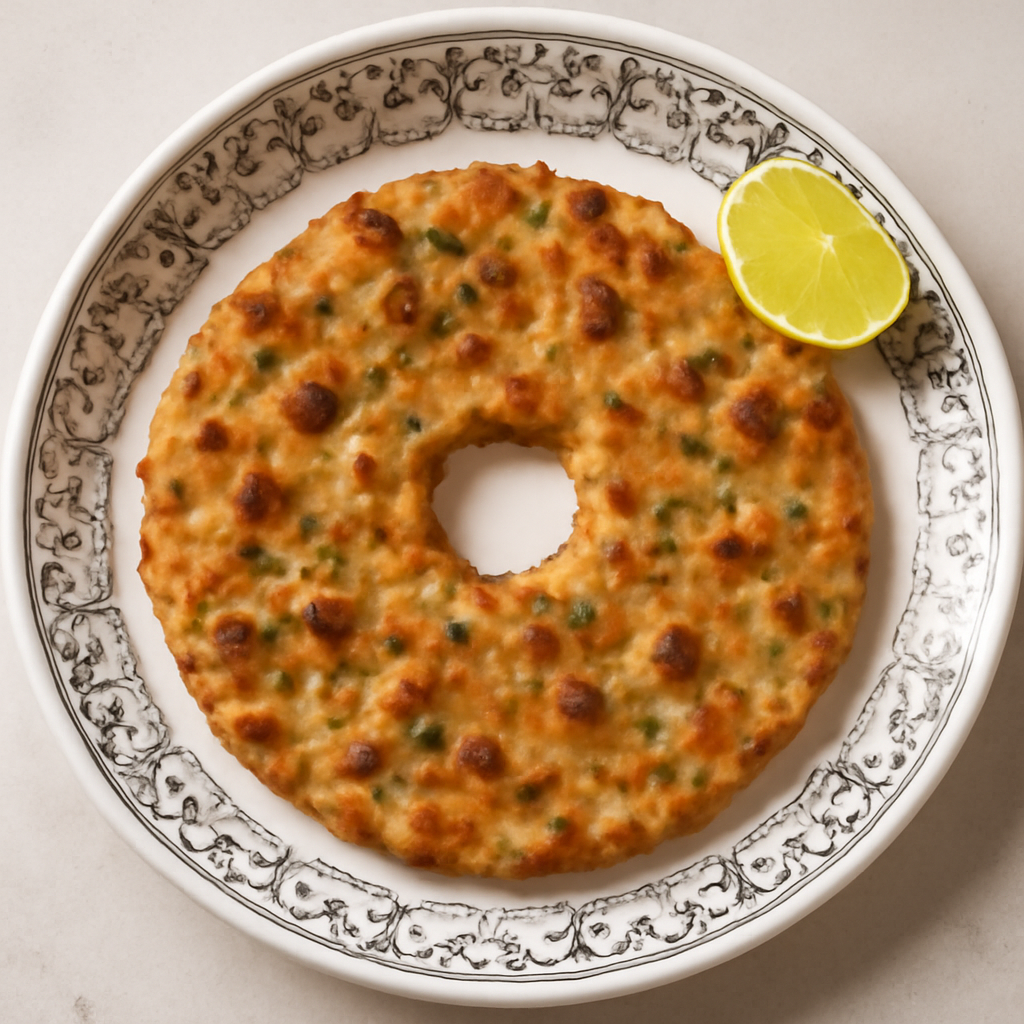
Sabudana Thalipeeth – Vrat ka Khana
Recipe GLPR6c8acb84329cf1
A traditional Indian fasting dish made with tapioca pearls, mashed potatoes, and roasted peanuts, pan-fried until golden and crispy. Sabudana thalipeeth is a savory, gluten-free flatbread traditionally enjoyed during Hindu fasting periods, with aromatic cumin, fresh green chilies, and cilantro throughout.
Save recipes you love
Create a free Grocery List Plus account to save recipes, rate them, and add every ingredient to your grocery list in one tap.
Ingredients
½ cup Sabudana (tapioca pearls)
to taste Rock salt (sendha namak)
⅔ cup Boiled and mashed potato
2 Green chiles, finely chopped
¼ cup Roasted peanuts, roughly crushed
2 tablespoon Fresh cilantro, chopped
1½ teaspoon Cumin seeds
1½ teaspoon Fresh lemon juice
½ teaspoon Sugar
as needed Peanut oil for pan-frying
Directions
Rinse sabudana under cold running water until the water runs completely clear. Place the sabudana in a shallow bowl (never use a deep bowl) and cover with water, keeping the water level about 1 ½ inches above the pearls. Allow to soak for 2–3 hours or overnight, depending on the type of sabudana. The pearls will swell and nearly triple in volume as they absorb the water.
Once soaked, drain the sabudana through a fine-mesh strainer, gently shaking to remove excess water. Allow to drain in the strainer for at least 10 minutes to ensure any remaining moisture is removed. This step is crucial to prevent the final mixture from becoming sticky.
Test that the sabudana is fully softened by pressing a pearl between your finger and thumb—it should mash easily without resistance. If any pearls remain hard or opaque, soak for an additional 30 minutes.
In a large mixing bowl, combine the drained sabudana, mashed potato, crushed roasted peanuts, chopped green chiles, fresh cilantro, cumin seeds, lemon juice, sugar, and rock salt to taste. Mix all ingredients thoroughly until well combined. The mixture should hold together like a dough; if it is too soft, add a small amount of fasting flour (rajgira, sama, or shingara flour) as needed to reach the right consistency.
Divide the dough into 4 equal portions and roll each into a smooth ball using your palms. Lightly grease a sheet of aluminum foil or plastic with peanut oil and place one dough ball in the center. Heat a nonstick skillet or griddle over medium heat.
While the pan heats, gently press the dough ball into a 4-inch diameter disc directly on the foil, using your hand and fingers. Press steadily to flatten without tearing; seal any cracks that form at the edges. Using your finger, create a small quarter-inch hole in the center of the thalipeeth. Once the pan is hot, drizzle a small amount of peanut oil into it. Carefully lift the thalipeeth using the foil and slide it into the hot pan, peeling away the foil.
Allow the bottom side of the thalipeeth to cook until golden brown, about 2–3 minutes. Drizzle additional peanut oil over the top of the flatbread, then flip it carefully. Cook the other side until it is also golden brown and slightly crispy, about 2–3 minutes longer.
Remove the cooked thalipeeth from the pan and transfer to a plate. Repeat the shaping and pan-frying process with the remaining three dough balls. Serve warm.
Comments
Sabudana is not a standard stock at Charlotte-area Harris Teeter, Food Lion, Publix, Walmart, ALDI, or Kroger stores—you'll need a trip to an Indian market, real cost in time and travel. The ingredient list itself is otherwise available (potatoes, peanuts, chilies, spices at any major chain), but five hundred minutes stated time is dishonest; soaking sabudana takes at least two hours, plus hand-rolling and pan-frying each thalipeeth individually means real evening cook time closer to three hours for four servings. This is a fasting or special-occasion dish, not a weeknight meal, and it does not reheat well—thalipeeth are crisp-edged pancakes that soften and lose appeal the next day. If you're making it for Navratri or another vrat observance and have access to an Indian grocer, the technique is straightforward and the cost per serving modest; budget the extra stop and the full evening.
Sign in or create a free account to add your review.